
Paws for Concern: Holiday Pet Safety
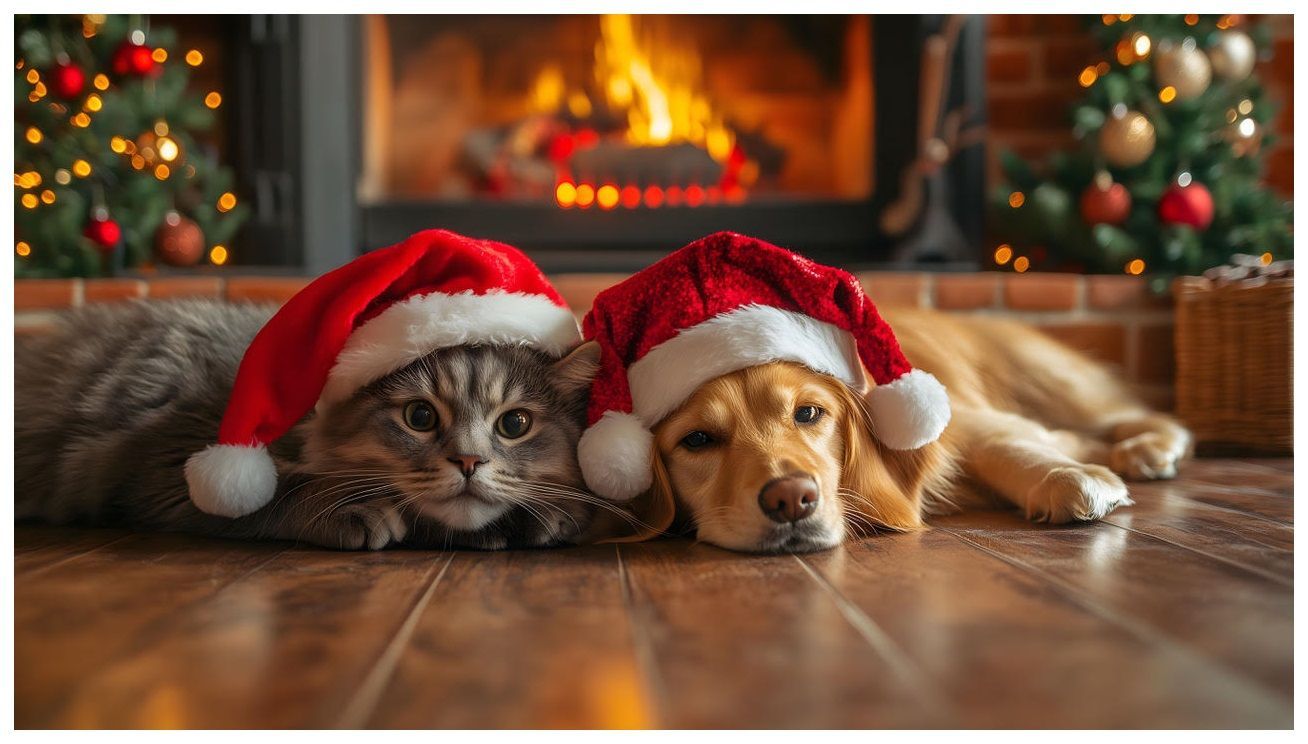
Keeping Our Furry Friends
Safe at Yuletide
Americans love to pamper their pets during the holiday season.
According to a recent TotalVet survey, a large number of Americans not only buy gifts for their companion animals but also prepare special meals for them and include them in holiday activities. But amidst all the holiday bustle, it's easy to overlook potential hazards lurking behind a delicious meal or seemingly harmless decoration.
Not surprisingly, an analysis of Google Trends data for the past five years revealed that internet searches for "ER vet" peak during the last two weeks of December. Here are a few suggestions to help keep your pet from becoming a holiday statistic.
Drop It! Foods That Are Toxic to Pets
Before handing Fido or Muffin that tasty tidbit, check this list of common holiday foods that are toxic to pets:
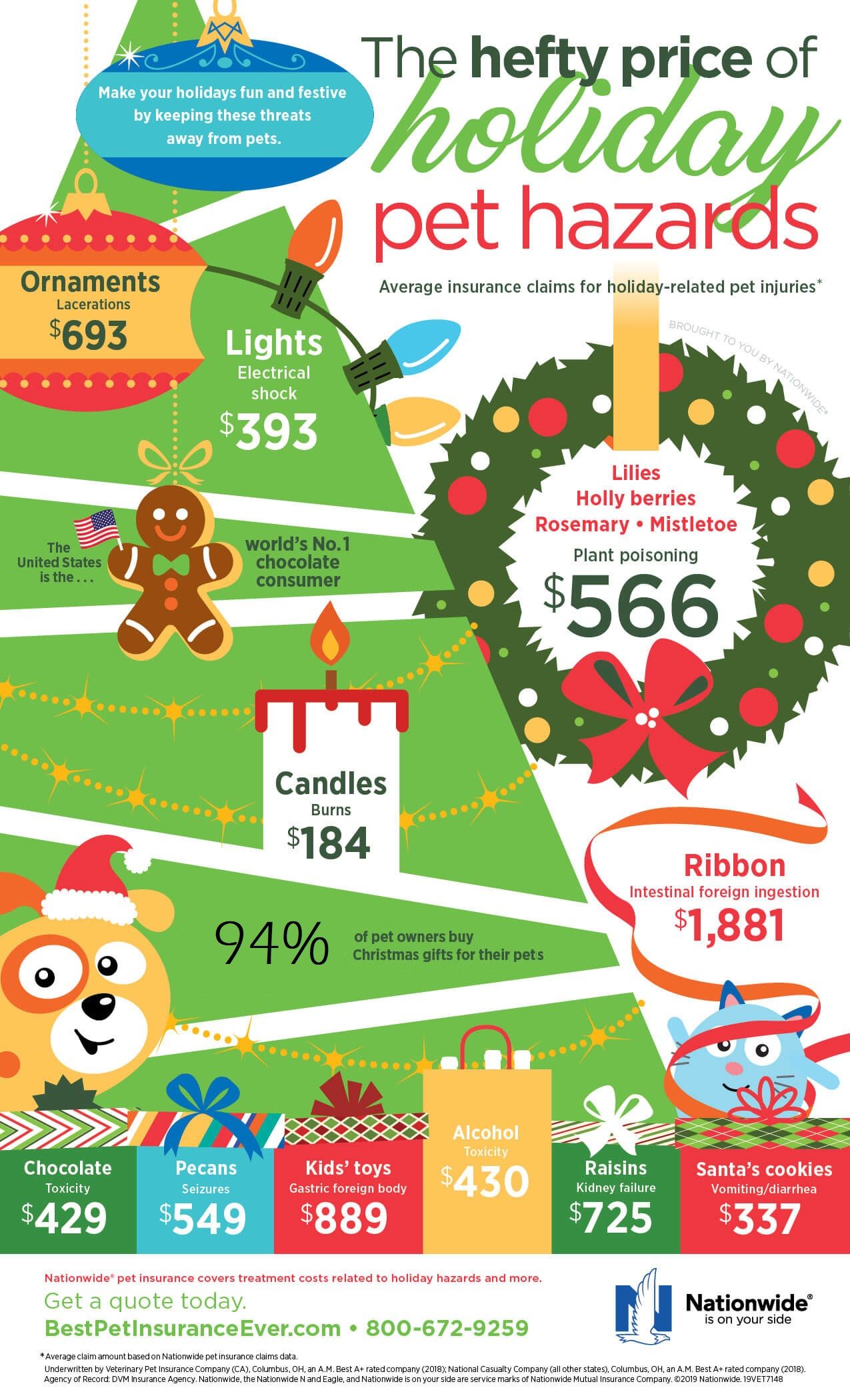
- Chocolate. The theobromine and caffeine in chocolate can lead to gastrointestinal upset, agitation, tremors, and even seizures at high doses.
- Macadamia Nuts. Even small amounts of these nuts can lead to serious health issues, including weakness, tremors, vomiting, and potentially seizures or paralysis.
- Fatty Foods. Bacon, ham, and cheese can cause GI problems in pets and can lead to pancreatitis in dogs.
- Grapes and Raisins. Grapes and raisins contain tartaric acid, which, even in small amounts, can lead to kidney damage or acute kidney failure, requiring prompt medical attention.
[Note: smart pets know where they can find leftovers, so be sure to remove trash and secure lids on garbage cans containing food.]

Virtual Vet
Veterinary telemedicine enables pet owners to consult with a veterinarian via text, phone, or video chat to receive real-time advice.
However, this service is not a replacement for regular in-office visits, and most vets who offer telemedicine services are not permitted to diagnose or prescribe medications for pets they haven't previously examined in person.
While some states prohibit veterinary telehealth, Iowa is not one of them.
Source: WIRED
Typical symptoms of food poisoning in pets include vomiting, diarrhea, and upset stomach. If you notice these signs, call the Pet Poison Helpline® at 855-764-7661 as soon as possible. They can help determine if the food or ingredient is toxic.
Continued vomiting, lethargy, trouble walking, and weakness are indications that emergency care is needed.
Deck the Halls – With Caution
Holiday decorations pose many potential hazards to your animal companions. For instance:
Ornaments. Dogs and cats view Christmas tree ornaments as colorful toys. If chewed or broken, they can cause injury to your pet's mouth or paws. Consider purchasing shatterproof ornaments instead.
Tinsel and Ribbons. One of the most common pet emergencies at this time of year is the surgical removal of ingested tinsel or ribbon obstructing a pet's intestine. So, skip the tinsel and ribbon, particularly if you have curious kitties.
Electrical Cords. Puppies are prone to chewing on the power cords used for holiday lights, which can cause electrical shock. Keep the cords wrapped and off the floor.
Holiday Plants. Mistletoe, holly, poinsettias, lilies, and yews (used in Hanukkah decorations) are all poisonous to pets. If you suspect your pet has ingested any of these plants, seek medical care immediately or call the Pet Poison Helpline. (Also, see sidebar, "Virtual Vet.”)
Tree Water. Ensure the Christmas tree water is covered and/or inaccessible to curious pets, as it can become a breeding ground for bacteria that may cause nausea, diarrhea, or an upset stomach.
Candles. Whether lighting a menorah or filling your home with holiday scents, never leave burning candles unattended. Curious paws and happily wagging tails can easily knock them over, possibly burning your pet or starting a fire.
Snow Globes. Snow globes contain ethylene glycol (the same chemical used in antifreeze), which is highly toxic to all pets. A broken snow globe emits a sweet fragrance that can attract pets to taste it, often with fatal results.
Making Sure "All Is Calm"
Changes in your pet's routine during the holidays can induce stress. Here are some strategies for reducing such anxiety:
- Place your pet in a safe interior room, away from holiday guests and loud noises.
- Keep pets occupied with interactive toys or by spreading pet-friendly treats on a lick mat.
- Use pet pheromones (e.g., Feliway® for cats and Adaptil® for dogs) or soothing music to help keep companion animals calm.
—Article Continues Below—
Keep Watch
Keep a close eye on your pet as much as possible to ensure they don't slip out the door while guests are coming and going. Affix signs to keep the door securely closed and install dog gates to prevent escape. If your pet is not microchipped, make sure they're wearing their collars and ID tags.
In Case of Emergency
Be prepared for emergencies by keeping the following phone numbers handy:
- Animal clinic used by your veterinarian
- 24/7 emergency veterinary clinic (if different)
- Pet Poison Helpline: 855-764-7661
- ASPCA® Animal Poison Control Center: 888-426-4435
The holidays should be fun and joyous times for everyone involved. Following the above guidelines can help ensure your yuletide celebration doesn't beget a pet tragedy.
Recent Posts







Share On: