
The Rural Roots of Tobacco Use
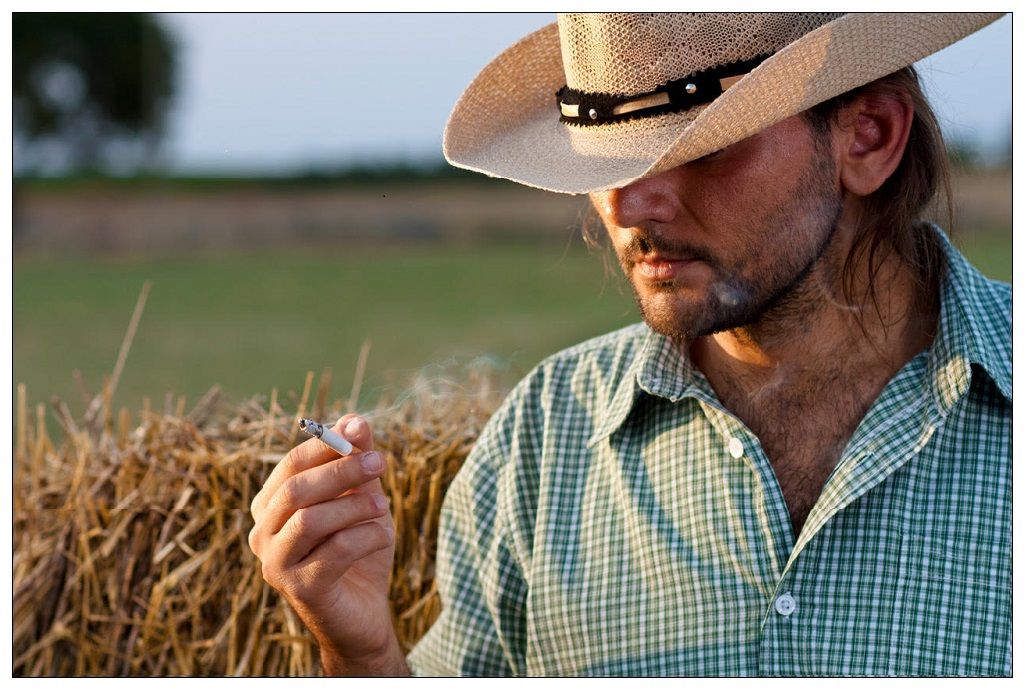
Small-Town America Still Lighting Up
America’s rural population is disproportionately impacted by tobacco use.
A 2024 Surgeon General’s report found that, while national smoking rates continue to decrease, tobacco use remains high in rural communities: 15.4% among rural adults, compared to 10.1% among their urban counterparts. Rural Americans also smoke more heavily (15 or more cigarettes per day) than urban smokers.
Moreover, rural residents often face structural barriers to tobacco cessation services, including lower rates of insurance coverage and the relative scarcity of health care providers.
Tobacco’s Deadly Consequences
The effect of tobacco use on America’s rural populations is sobering:
- People living in rural areas have 18% to 20% higher lung cancer death rates than urban residents, 90% of which is caused by cigarette smoking.
- Rural residents are less likely to receive recommended cancer prevention and screening. As a result, many of them have already reached a later stage of the disease at the time of diagnosis.
- Four of the five leading causes of premature death for people in rural areas (heart disease, cancer, chronic respiratory disease, and stroke) can be associated with tobacco use.
Starting Young
Compared to urban and suburban youth, children from rural areas typically start using tobacco at a much younger age and are more likely to use it daily.
How Iowa Compares
According to the Iowa Department of Health and Human Services, 14.7% of Iowan adults smoke cigarettes, most of whom are between the ages of 25 and 65. Iowa’s smoking rate is 3% higher than the national average.
Here’s how it compares to neighboring states:
Illinois: 10.8%
Missouri: 15.3%
Minnesota: 12.2%
Wisconsin: 12.0%
Nebraska: 12.1%
South Dakota: 15.2%
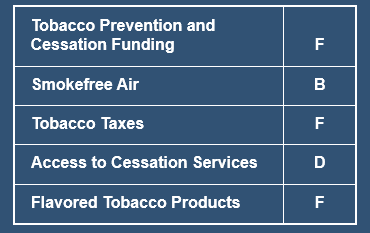
In addition, the American Lung Association’s 2025 report has given Iowa the following grades for tobacco control efforts:
According to the CDC, e-cigarettes are the most widely used tobacco product among all U.S. middle school and high school students. But vaping is particularly prevalent among rural adolescents. In addition, these youths are more likely to use other tobacco products as well, including cigarettes and smokeless tobacco (“snuff,” “dip,” or “chew”).
Chew On This
Use of smokeless tobacco is twice as common in rural communities as in urban or suburban areas, particularly in the Midwest. As with rural youth, it is not uncommon for rural adults to use more than one type of tobacco product (such as both cigarettes and chewing tobacco).
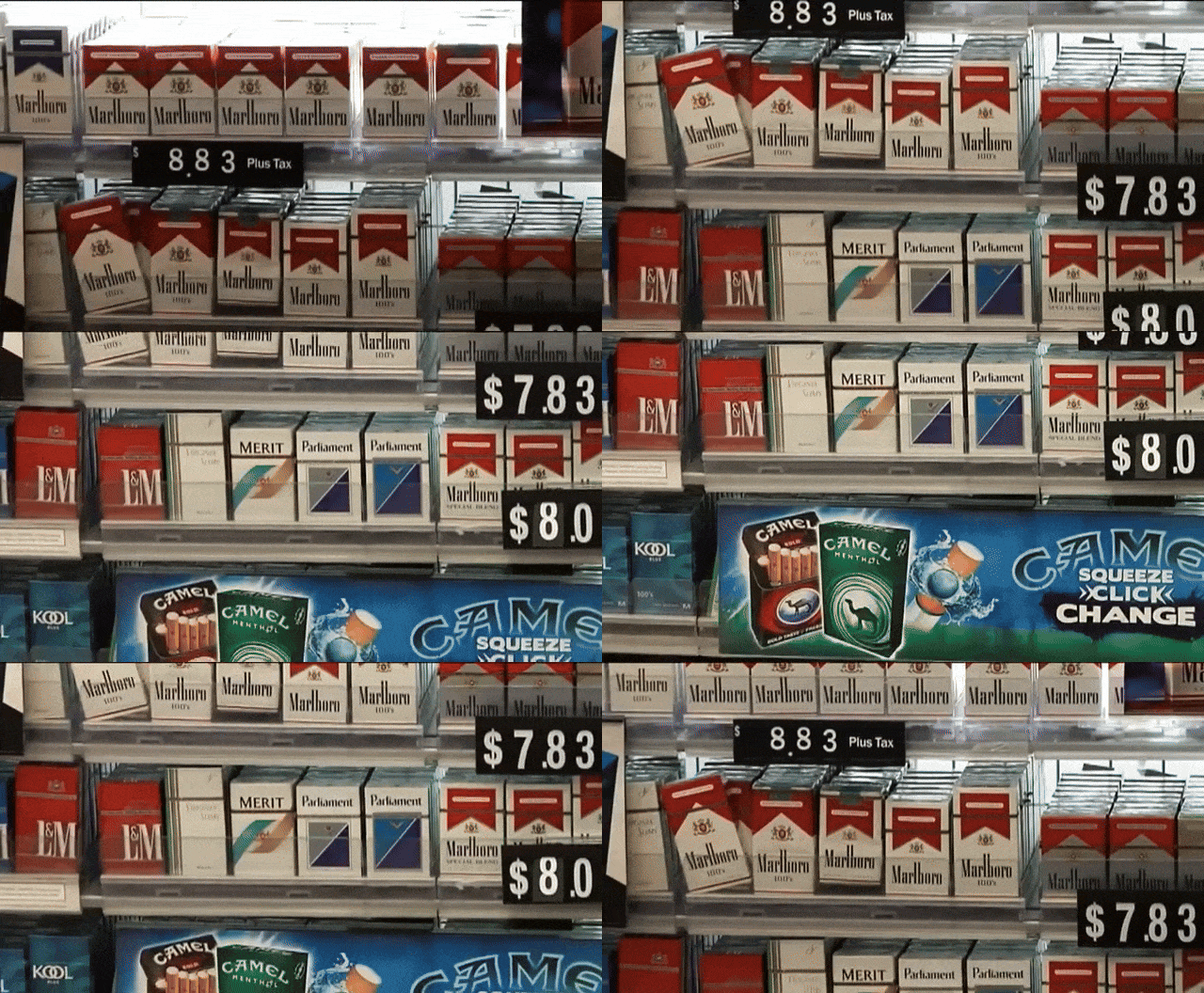
The appeal of smokeless tobacco to rural Americans is partly due to targeted marketing. Product packaging and strategically placed retail displays feature cowboys, hunters, and race-car drivers, aiming to engage young men in rural areas.
In addition, tobacco companies frequently sponsor fishing, rodeo, and baseball events in rural areas, where up to 30% of the attendees are under the age of 18.
Understanding Rural Culture
One of the reasons anti-tobacco campaigns have been largely unsuccessful in rural areas is that they fail to consider the unique characteristics of rural culture. Such as:
- The conventional attitudes of independence, self-reliance, and protection of personal liberties that stem from relatively isolated living.
- A tendency toward conservative ways of approaching life, resulting in more careful and considered decision-making.
- The awareness that others within their small communities are very interested in their lives; this lack of anonymity or privacy often results in pressure to conform.
- The deep roots of tobacco use within rural social environments, where many role models (such as family members) are tobacco users.
- The values of simple country life, and appreciation for hard manual labor and the outdoors.
As a result, most government-sponsored anti-tobacco campaigns do not resonate with rural Americans.
--Article Continues Below--
On a Rescue Mission
In response to this problem, one innovative marketing agency has developed an anti-tobacco initiative specifically targeting rural teens. Rescue Agency designed its “Down and Dirty” ready-made campaign to help government agencies and nonprofits drive healthy behavioral change within this vulnerable population.
Down and Dirty takes the highly successful social branding model that the tobacco industry has employed for decades and turns it on its head to counter market these messages. The campaign uses relatable anti-tobacco role models to break the association between rural culture and tobacco use.
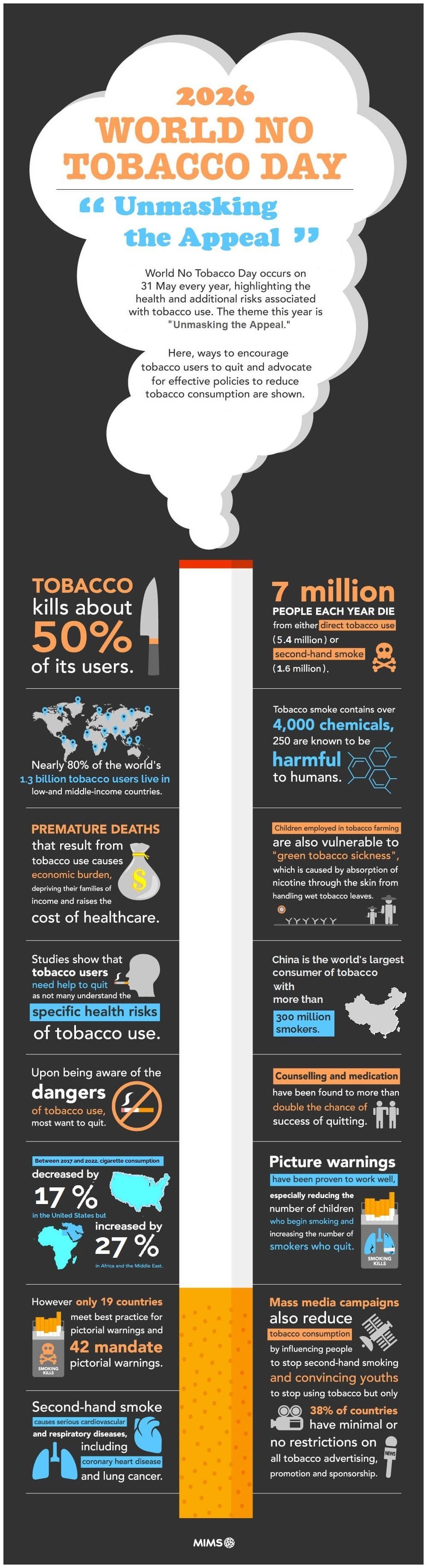
Here's an example of the types of messages used in the Down and Dirty campaign:
So far, this program has been successfully implemented in more than a dozen states. The data gathered by the Rescue Agency from these initial campaigns has been used to refine its messaging and delivery methods.
To learn more about this innovative approach to breaking tobacco’s hold on rural youth, check out “Rural Teen Vaping, Chew, and Smoking Prevention.”
Sources:
Featured Image: Adobe, License Granted
State of Tobacco Control 2025
American Lung Association
CDC
JCO Oncology Practice
Recent Posts









Share On: