
Surviving the Dog Days of Summer
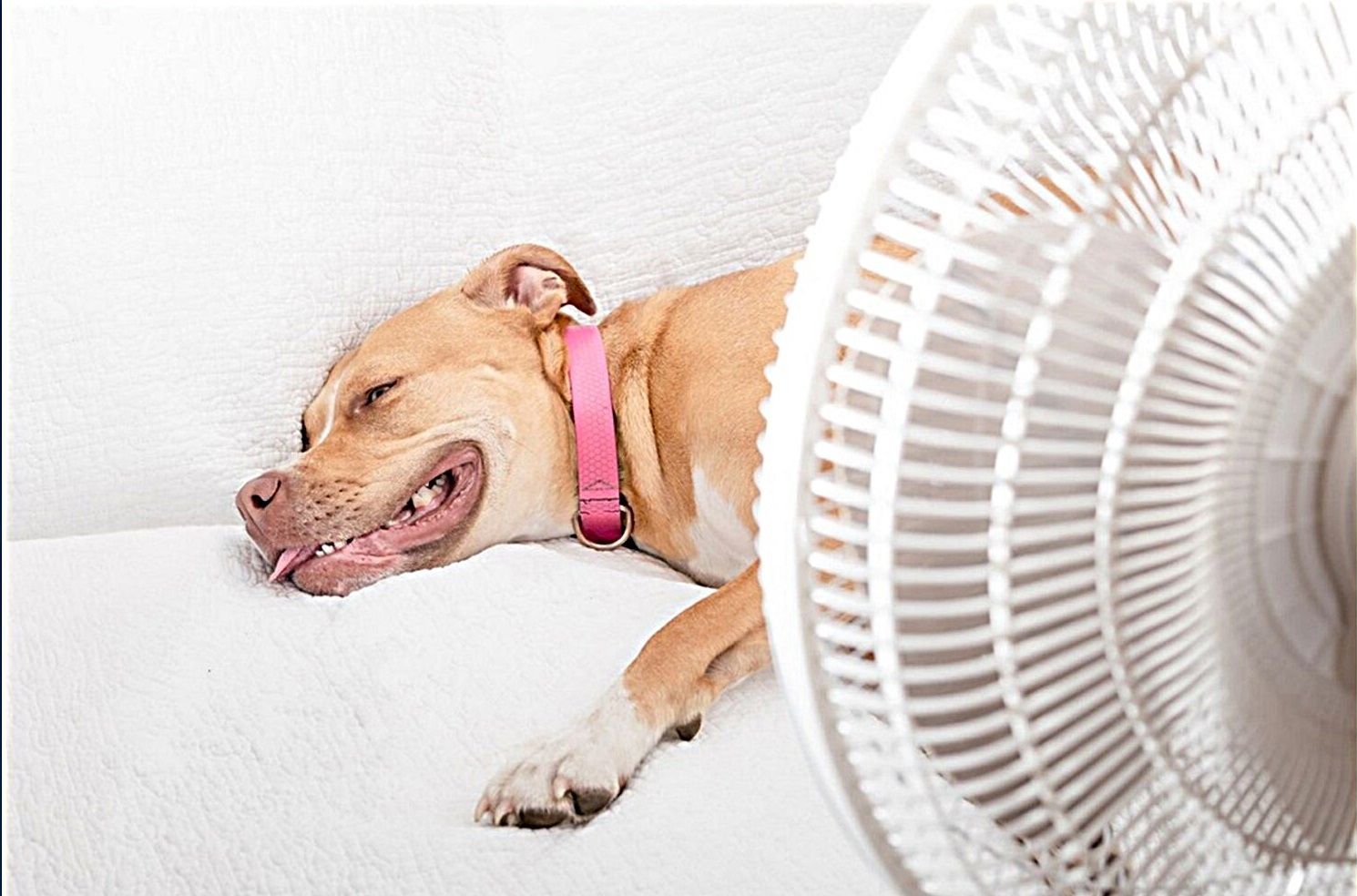
How to Cool Down a
Hot Customer
Summer heat waves can make us behave like cranky, whiny toddlers.
In some cases, we can become downright angry. There’s a biological reason why these “dog days” can negatively affect our mental well-being.
High Temps, Hot Tempers
Our bodies perceive high external temperatures as a threat, resulting in an increased heart rate and the release of adrenaline and other “fight or flight” hormones. The hotter we get, the more we lose our ability to manage impulses associated with our discomfort. We lose patience because our bodies are focused on managing our physical symptoms.
In addition, extreme heat can quickly cause dehydration. Studies show that even mild dehydration can result in fatigue, headaches, anxiety, and difficulty concentrating.
The Dog Days of Summer are no respecter of persons. Your consumers or patients are just as likely to feel irritable as you are.
Keeping Your Cool
Communications expert Amy Castro recommends a combination of empathy, responsibility, and clear communication to keep your cool when dealing with a cranky customer. She offers the following suggestions:
#1. Agree With Them When Possible
Instead of offering a lame excuse or explanation, find something within the customer’s complaint that you can agree on. Look for a reason to say, “You’re right,” such as, “I agree. Your shipment should not have taken so long to arrive.” The customer will feel heard and validated.
#2. Be Specific
One major source of conflict occurs when customer expectations differ from what we think we’ve communicated. Vague or unclear language is often the culprit. For example, avoid telling a customer you’ll look into their complaint and get back to them “soon.” Their idea of “soon” will likely differ from yours. Instead, be as specific as possible, and you’ll set more realistic expectations for your customers.
#3. Don’t Take the Bait
An upset customer may try to push emotional buttons to make you feel as upset as they do. Don’t take the bait. When a customer says things like, “I guess I’ll just have to take my business elsewhere,” avoid the temptation to reply, “That’s your choice.” A better answer would be, “That’s totally within your rights. However, I would like the opportunity to correct this situation. What would make it right for you?”

Iowa’s Extreme Heat
Iowa’s highest temperature was 118 degrees, recorded in July 1934, during the height of the Dust Bowl era.
Since the 1960s, Iowan communities have experienced longer, more frequent periods of extremely high temperatures, as heat waves across the state have increased in both frequency (2 to 6 per year) and duration (2 to 4 days).
Nationally, heat waves are the deadliest form of natural disasters—and they’re getting worse. According to a 2024 University of Texas study, the number of heat-related deaths in the U.S. climbed 117% between 2000 and 2023.
Source: ChaseDay
(On the other hand, you shouldn’t have to beg for their business. If you do, they’ll realize that the “I’ll leave” button is one that works on you, and they’ll keep pushing it.)
#4. Avoid the Word “Policy”
Customers hate hearing the word “policy.” They often view policies as rules businesses conjure up to make their lives difficult. Instead of beating your customers over the head with your big book of policies, share with them the reason behind the policy. Your policies were probably created to benefit all customers. Therefore, tell your customers how the policy benefits them.
For example, when a patient complains about filling out a form, instead of saying, “The doctor can’t see you unless you fill out this form,” try, “I know it can be frustrating to provide your insurance information each time. We do this to ensure we have current information, so that your claims are processed quickly and you’re not overcharged for services.”
Once they understand the rationale, especially if it benefits them, they’ll usually be more understanding and accepting.
#5. Take Responsibility for Your Feelings
Understand that your emotions can trigger conflict. We create our own emotions by how we interpret the actions of others.
So, we can control those emotions by changing our thinking. Next time you interact with a cranky consumer, instead of becoming defensive, think, "I can understand she’s upset because she’s embarrassed about the situation.”
“People can only push your buttons if you hand them the remote.”
– Amy Castro
#6. Match Verbal and Nonverbal Communication
If you’re dealing with a difficult customer in person, make sure your nonverbal cues (facial expressions and body language) match your voice. When apologizing, you should look and sound sorry. If you tell them you’re happy to help, look and sound happy. Appropriate and congruent nonverbal communication is particularly important for staff members who routinely work directly with customers.
#7. Use the Customer's Name
Research indicates that our names are a sweet sound to our ears. Using the consumer's name sends a subtle message that you know who they are. As a result, they’re more likely to behave more courteously than they would if they remained anonymous.
#8. Let ’em Vent
Building on these strategies, the online training company Canity offers another essential key to managing angry customers:
Let Us Take the Heat
Is your collections or customer service team struggling to maintain calm when interacting with irritable consumers?
CBSI is ready to relieve you of that burden. Our trained professionals know how to keep their cool when summer heat triggers hot tempers. We’ll take the heat for you.
Sources:
Featured Image: Adobe, License Granted
BBC
Amy Castro
LinkedIn
Canity
Recent Posts










Share On: