
The Joys and Challenges of Being a Country Vet
Rural Veterinarian Shortage
Impacting Communities
Your day begins well before dawn and stretches well past sunset. You make house calls miles from your clinic, treating a wide range of small and very large patients, assisting with difficult births, and performing surgery.
Most days, you love your job. You’re a rural vet.
The United States has lost 90% of its rural veterinarians since the end of World War II. While this shortage is not new, it is growing. Fewer students are choosing to enter the profession overall, but the dearth in those pursuing rural practice is even greater.
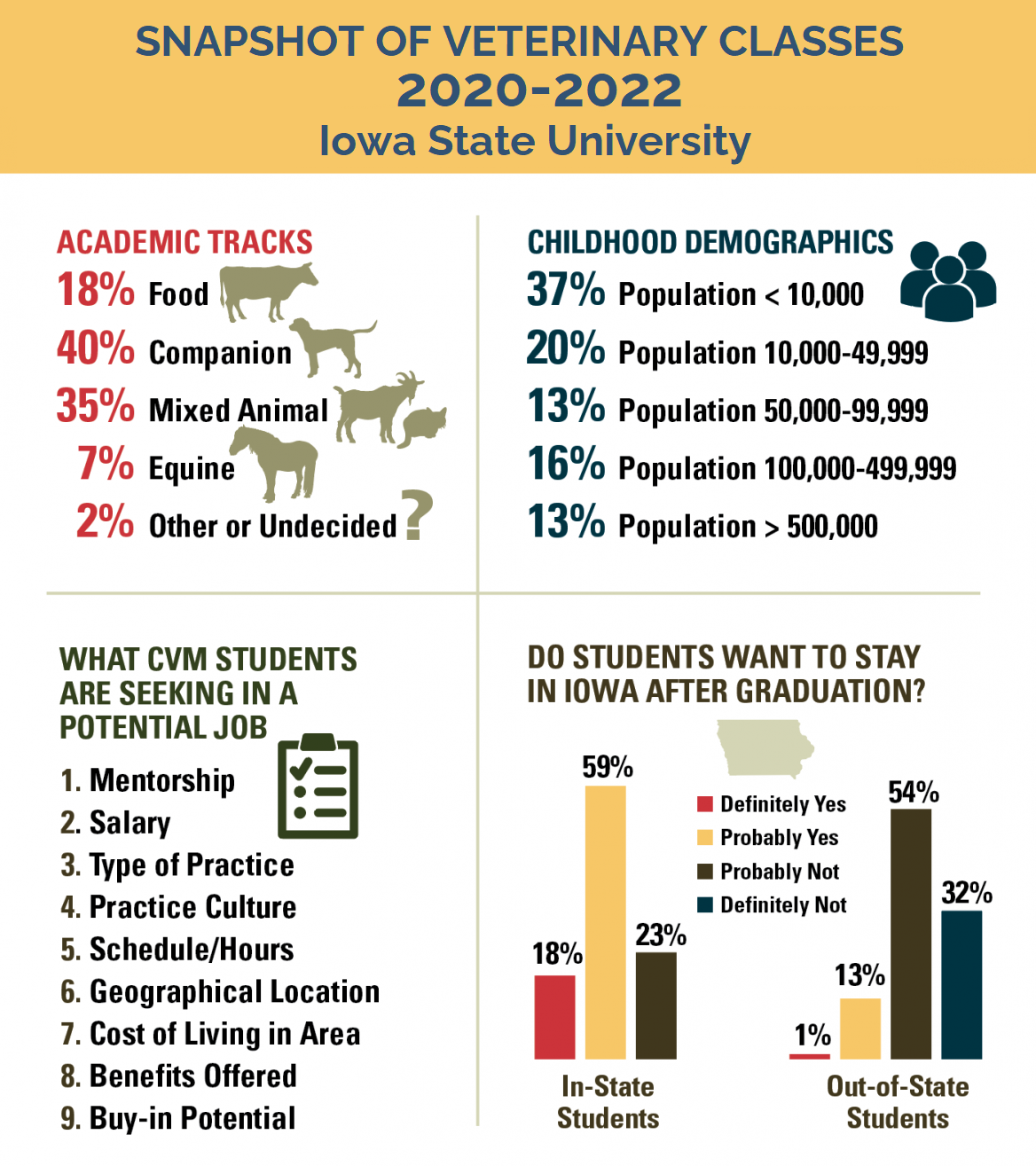
According to the College of Veterinary Medicine at Iowa State University, 60% of the state’s veterinary clinics seeking to hire practitioners are in communities with fewer than 10,000 people.
The challenges of rural practice are significant (physical demands, emotional stress, and financial constraints typical of agrarian settings), but so are the joys, particularly the unique sense of fulfillment in serving close-knit communities. (See sidebar below, “No Place Like Home.”)
What motivates someone to assume this demanding role, and what keeps them going despite the odds?

No Place Like Home
A 2024 cross-sectional survey of more than 2,000 rural and nonrural veterinarians, published in the March 2025 issue of the Journal of the American Veterinary Medical Association (JAVMA) revealed that rural practitioners were more attached to their communities.
Specifically, rural practitioners:
- Felt more at home, connected to, and interested in their communities
- Would be sorry or regretful to leave their communities
- Believed their communities were an important part of their personal history
- And felt their community was an ideal place for families to live.
Source: JAVMA
Not Your Daily Grind
A country veterinarian’s daily schedule is highly unpredictable; they never know exactly what each day will bring, even with a full schedule of appointments.
They perform a wide array of tasks, ranging from routine vaccinations and health checks to emergency surgeries and animal birthing support. No two days are alike, which keeps the job interesting.
The diversity is what appealed most to Dr. Tyler Feldhacker of Sioux Center, Iowa. Once he became a part of the community, he was hooked.
“There’s just something when you’re on a farmer’s place working with their livestock. You build great relationships not only with their animals but with them and their whole system. You know everything about their families. You make great relationships with your farmers.”
- Dr. Tyler Feldhacker, Sioux Center, IA
Rural veterinarians function as both practitioners and educators, instructing their clients about animal health and responsible care. Every day is a new adventure, requiring both medical expertise and a strong commitment to the communities they serve.
Demand Performance
The daily challenges of a country vet can be motivating, but they can also lead to fatigue and burnout.
Prolonged and frequent on-call hours (often 10 out of 14 days) and long-distance travel between clients—coupled with the physical demands of handling animals weighing over a thousand pounds—can be exhausting. As with all medical practitioners, there’s also the emotional toll of losing a patient. For vets, euthanasia can be a particularly heart-wrenching responsibility. In addition, the demanding work environment can be disruptive to work-life balance.
Finally, there are significant economic challenges. With veterinary student loan debt averaging $185,000, practicing in underserved rural areas where salaries are lower can be financially daunting.
But those who remain steadfast in their dedication to providing essential veterinary care to agrarian communities often find that rural America offers a unique and rewarding lifestyle.
Proposed Solutions
Addressing the challenges of rural veterinary practice is essential for attracting new graduates into the field. To this end, the USDA’s five-part Rural Veterinary Action Plan focuses on both immediate and long-term solutions to strengthen veterinary services in underserved communities by:
- Expanding financial support for the Veterinary Medicine Loan Repayment Program and Veterinary Services Grant Program to help veterinarians manage student debt in exchange for serving in shortage areas. (The Iowa Farm Bureau Federation launched a similar loan repayment program in March 2025.)
- Simplifying the process for veterinarians to access grants and loan repayment opportunities.
- Partnering with universities, veterinary schools, and professional associations to encourage students to consider rural practice.
- Providing continuing education, mentorship, and telemedicine tools to support veterinarians working in remote locations.
- Improving coordination between federal, state, and local agencies.
--Article Continues Below--
Recruitment Strategies
What can rural clinics do to attract new veterinary school graduates? Iowa State researchers offer the following suggestions:
- Make sure your practice has a dedicated website. This is the first place today’s students go to find out about the clinic and the community.
- Engage students early by offering shadowing opportunities, internship programs, externship programs, and scholarships.
- Offer financial incentives such as special pay rates, tuition reimbursement, or recruitment bonuses.
- Sell the advantages rural communities: a more relaxed pace of life, low cost of living, less traffic and noise, recreational offerings, and a general feeling of safety.
- Make sure potential candidates are aware of available technologies and affiliations with regional institutions and practices that offer networking and educational opportunities.
Worth the Sacrifice
Most rural vets thrive on the urgency, variety, and unpredictability of their practices and wouldn’t want to do anything else for a living. As Dr. Carol Hillhouse of Panhandle, Texas, recently explained, “There have been financial, professional, and personal sacrifices; however, not many people can say that they still love their job after thirty years.”
Recent Posts








Share On: